Which Companies Are Hiring for General Labor Positions Right Now?

Which Companies Are Hiring for General Labor Positions Right Now?

Businesses across multiple industries continue to increase their hiring efforts for general labor jobs as workforce demand grows in 2026. Construction companies, warehouses, manufacturing facilities, logistics providers, and distribution centers often rely on general labor workers to support daily operations and maintain productivity.

As operational demands continue shifting, many companies are expanding workforce recruitment to reduce labor shortages and improve operational efficiency. General labor staffing solutions may help businesses respond more effectively to changing workforce needs while maintaining continuity across jobsites and facilities.

Construction Companies Increasing Workforce Hiring

Construction projects often require dependable labor support to maintain timelines and daily productivity. As infrastructure projects, commercial development, and residential construction continue growing, many companies are increasing their hiring efforts for general labor positions.

General labor workers may assist with site preparation, materials handling, cleanup, and other essential tasks that support project operations. Staffing solutions may help construction businesses secure workers more efficiently during periods of increased demand.

Warehouse and Distribution Workforce Growth

Two smiling logistics workers wearing blue hard hats and yellow safety vests high-fiving in a tall warehouse storage aisle.
The ongoing expansion of retail distribution centers drives a continuous need for reliable operational staff. Cultivating a motivated and well-supported on-site team can improve daily order fulfillment speeds and strengthen overall supply chain efficiency.

Warehouses and distribution centers continue experiencing strong workforce demand due to shipping activity, inventory management, and supply chain operations. Many companies are hiring general labor workers to support loading, unloading, packaging, sorting, and warehouse organization.

As order volumes fluctuate throughout the year, staffing flexibility may help warehouse operations maintain efficiency while responding to changing labor requirements.

Manufacturing Facilities Expanding Labor Support

Manufacturing companies often rely on general labor workers to help maintain production flow and operational consistency. Labor support may assist with assembly line operations, packaging, equipment support, and materials movement within facilities.

As production demands increase, businesses may require additional workforce support to avoid operational slowdowns and maintain productivity goals. Staffing solutions may help manufacturers adjust labor levels more efficiently during high-demand periods.

Logistics and Industrial Operations

Logistics providers and industrial businesses continue increasing hiring efforts to support transportation, inventory handling, and operational coordination. Reliable workforce availability remains important for maintaining schedules and reducing delays across industrial operations.

General labor staffing solutions may help companies fill workforce gaps quickly while supporting operational continuity in fast-paced environments.

Supporting Workforce Demand Through Flexible Staffing

As industries continue growing and adapting to workforce challenges, businesses often require labor solutions that provide both speed and flexibility. Hiring dependable workers quickly may help organizations maintain productivity and reduce operational disruptions.

General labor staffing supports scalability by providing flexible labor solutions that align with business needs. This approach helps organizations maintain efficiency while adapting to changing conditions.

Pacesetter Personnel Services (PPS) supports businesses in Houston, Dallas, and Austin through comprehensive staffing and payroll services. The PPS employees we send to you are screened, onboarded, and ready to work, with all employment paperwork, including workers’ compensation insurance, federal and state payroll taxes, W-2s, W-4s, and I-9s, maintained. Plus, our workforce is e-verified. These services are provided with no up-front expense to your company. Learn more about PPS.

Reach out to learn how general labor staffing can help your organization manage fluctuating workloads, maintain productivity, and support stable industrial operations.

General Labor Workforce Challenges Companies Face in 2026

Businesses across construction, warehousing, manufacturing, logistics, and industrial operations continue facing workforce challenges in 2026 as labor demands evolve. Hiring and maintaining dependable general labor workers has become increasingly difficult due to labor shortages, workforce turnover, scheduling pressures, and growing productivity expectations.

As operational demands continue increasing, businesses often require workforce strategies that help maintain efficiency while responding to changing labor conditions. General labor staffing solutions may help organizations address these challenges while supporting operational continuity.

Ongoing Labor Shortages Across Industries

Many industries continue experiencing labor shortages that may impact workforce availability and productivity. Construction companies, warehouses, and manufacturing facilities often compete for the same labor pool, making hiring more competitive.

Limited workforce availability may create delays in staffing open positions, increasing pressure on existing teams and operational schedules. Businesses may require more flexible staffing strategies to respond effectively to these workforce gaps.

Employee Turnover and Workforce Stability

Two male warehouse supervisors wearing white hard hats discussing logistics while one gestures toward inventory shelving.
Unanticipated staffing gaps frequently disrupt warehouse workflows and strain remaining team members. Partnering with a responsive recruitment agency can help facilities maintain a consistent baseline of qualified personnel, protecting daily productivity levels from the impact of sudden attrition.

Employee turnover remains another major challenge for businesses that rely on general labor workers. Frequent workforce changes may disrupt workflow consistency, increase onboarding demands, and reduce operational efficiency.

High turnover may also create additional recruitment and training responsibilities for supervisors and human resources teams. Maintaining workforce stability often requires businesses to improve hiring speed and workforce flexibility while supporting employee retention efforts.

Scheduling and Workforce Coordination Challenges

Managing workforce schedules may become more difficult when labor availability changes unexpectedly. Absences, seasonal demand increases, and fluctuating workloads may create staffing gaps that impact daily operations.

Businesses often require workforce coordination strategies that allow them to respond quickly to scheduling challenges while maintaining productivity across jobsites and facilities. Flexible staffing solutions may help organizations adjust labor levels more efficiently as operational demands shift.

Meeting Productivity and Operational Demands

Operational efficiency often depends on maintaining adequate workforce support throughout daily operations. Understaffed teams may impact production timelines, shipping schedules, customer expectations, and project completion goals.

As businesses continue adapting to higher productivity demands, reliable workforce availability remains important for maintaining operational performance. General labor staffing support may help organizations reduce downtime and maintain workflow consistency.

Adapting to Workforce Challenges in 2026

As labor markets continue evolving, businesses may need workforce strategies that support flexibility, scalability, and operational stability. Addressing workforce shortages and productivity demands requires access to dependable labor solutions that align with changing business needs.

General labor staffing supports scalability by providing flexible labor solutions that align with business needs. This approach helps organizations maintain efficiency while adapting to changing conditions.

Pacesetter Personnel Services (PPS) supports businesses in Houston, Dallas, and Austin through comprehensive staffing and payroll services. The PPS employees we send to you are screened, onboarded, and ready to work, with all employment paperwork, including workers’ compensation insurance, federal and state payroll taxes, W-2s, W-4s, and I-9s, maintained. Plus, our workforce is e-verified. These services are provided with no up-front expense to your company. Learn more about PPS.

Reach out to learn how general labor staffing can help your organization manage fluctuating workloads, maintain productivity, and support stable industrial operations.


Why Businesses Search for Local General Labor Staffing to Maintain Operations

Businesses across the construction, warehousing, manufacturing, and logistics industries often search for local general labor workers to maintain daily operations and respond quickly to workforce demands. Access to local labor support may help companies reduce downtime, improve staffing response times, and maintain productivity during changing operational conditions.

As workforce shortages and scheduling challenges continue affecting many industries, businesses are increasingly prioritizing local hiring strategies that allow them to secure workers efficiently while supporting operational continuity.

Reducing Downtime Through Local Workforce Support

Delays in staffing may impact productivity, project timelines, and operational performance. Businesses often require workers on short notice to support daily operations, fill labor gaps, or respond to increased demand.

Searching for local general labor workers may help businesses reduce downtime by improving access to available workforce support within their surrounding area. Faster staffing response times may allow operations to continue with fewer disruptions.

Improving Response Times for Workforce Needs

A diverse group of factory staff and corporate managers standing around a whiteboard in an industrial plant to plan shift schedules.
Quick coordination is essential when handling unexpected absences, production surges, or tight project completion windows. Utilizing responsive hiring networks can help businesses secure reliable team reinforcements rapidly to keep critical manufacturing lines moving smoothly.

Operational demands may change quickly due to project growth, seasonal activity, or unexpected absences. Businesses that rely on local labor support may improve workforce coordination and staffing flexibility when immediate hiring needs arise.

Local staffing solutions may help businesses secure workers more efficiently while reducing delays associated with broader recruitment efforts. This approach may support faster onboarding and improved workforce availability.

Supporting Operational Continuity

Maintaining consistent workforce availability remains important for supporting productivity across industrial and construction environments. Understaffed teams may create operational slowdowns, scheduling issues, and increased pressure on existing employees.

General labor staffing solutions may help businesses maintain continuity by providing access to workers who are prepared to support operational tasks across multiple industries. Reliable workforce support may improve workflow consistency and daily operational performance.

Addressing Workforce Challenges in Competitive Markets

Many industries continue facing labor shortages and workforce competition, making it more difficult to secure dependable workers quickly. Businesses may benefit from staffing strategies that prioritize flexibility and faster workforce placement.

Searching for local general labor support may help organizations respond more effectively to workforce challenges while maintaining operational efficiency during periods of increased demand.

Flexible Workforce Solutions for Changing Business Needs

As operational demands continue evolving, businesses often require workforce strategies that support both flexibility and productivity. Local staffing support may help companies adapt workforce levels based on changing labor requirements without increasing long-term hiring commitments.

General labor staffing supports scalability by providing flexible labor solutions that align with business needs. This approach helps organizations maintain efficiency while adapting to changing conditions.

Pacesetter Personnel Services (PPS) supports businesses in Houston, Dallas, and Austin through comprehensive staffing and payroll services. The PPS employees we send to you are screened, onboarded, and ready to work, with all employment paperwork, including workers’ compensation insurance, federal and state payroll taxes, W-2s, W-4s, and I-9s, maintained. Plus, our workforce is e-verified. These services are provided with no up-front expense to your company. Learn more about PPS.

Reach out to learn how general labor staffing can help your organization manage fluctuating workloads, maintain productivity, and support stable industrial operations.



How Temporary Workers Help Businesses Stay Flexible During Labor Shortages

Businesses across the construction, warehousing, manufacturing, logistics, and industrial industries continue facing workforce shortages that may impact productivity and operational efficiency. As labor availability fluctuates, many companies are using temporary workers and flexible staffing solutions to help maintain daily operations and respond more effectively to workforce challenges.

Temporary staffing may provide businesses with workforce flexibility that supports changing operational demands without requiring long-term hiring commitments. This approach may help organizations maintain productivity while adapting to labor shortages and shifting business conditions.

Responding Quickly to Workforce Shortages

Labor shortages may create operational disruptions, scheduling delays, and increased pressure on existing employees. Businesses often need workforce support quickly to avoid downtime and maintain workflow consistency.

Temporary workers may help companies respond more efficiently to staffing gaps by providing access to workers who are available to support immediate operational needs. Faster workforce placement may allow businesses to continue operations with fewer disruptions during periods of labor shortages.

Maintaining Productivity During Demand Fluctuations

A female technician wearing an orange jumpsuit, safety glasses, and a white hard hat holding a laptop while monitoring industrial machinery.
Aligning your staffing volume with true operational activity is critical to preserving facility output. Utilizing modern, scalable workforce models helps plant managers optimize daily assembly targets and handle unexpected consumer request surges without accumulating unnecessary structural overhead.

Operational demands may increase unexpectedly due to seasonal activity, project growth, or higher production requirements. Businesses often require workforce flexibility to adjust staffing levels based on current operational conditions.

Temporary staffing solutions may help companies scale labor support up or down as needed while maintaining productivity across jobsites, warehouses, and manufacturing facilities. This flexibility may support operational continuity during changing workforce demands.

Controlling Labor Costs and Hiring Commitments

Permanent hiring may increase long-term payroll and administrative responsibilities for businesses navigating uncertain workforce conditions. Temporary workers may provide a more flexible staffing approach that aligns workforce size with operational demand.

By adjusting labor levels based on current needs, businesses may better manage labor-related expenses while maintaining workforce support where it is needed most.

Reducing Administrative Workload

Recruiting, onboarding, scheduling, and maintaining employment documentation internally may require additional administrative time and resources. Businesses managing labor shortages often need staffing support that reduces these operational burdens.

Temporary staffing solutions may help streamline workforce coordination by supporting hiring and placement processes more efficiently. This may allow supervisors and operations teams to focus more on productivity and daily business functions.

Supporting Workforce Flexibility in 2026

As labor markets continue evolving, businesses often require workforce strategies that provide both flexibility and operational stability. Temporary workers may help organizations respond more effectively to workforce shortages while maintaining efficiency across multiple industries.

General labor staffing supports scalability by providing flexible labor solutions that align with business needs. This approach helps organizations maintain efficiency while adapting to changing conditions.

Pacesetter Personnel Services (PPS) supports businesses in Houston, Dallas, and Austin through comprehensive staffing and payroll services. The PPS employees we send to you are screened, onboarded, and ready to work, with all employment paperwork, including workers’ compensation insurance, federal and state payroll taxes, W-2s, W-4s, and I-9s, maintained. Plus, our workforce is e-verified. These services are provided with no up-front expense to your company. Learn more about PPS.


Light Industrial Staffing Explained

Light industrial staffing plays a key role in supporting manufacturing, distribution, and logistics operations. Businesses in these industries often require a dependable workforce to manage production demands while maintaining flexibility in response to changing workloads.

By leveraging light industrial staffing, organizations can access qualified workers for essential roles without overextending internal resources. This approach helps maintain operational efficiency while adapting to fluctuations in demand.

Supporting Manufacturing and Distribution Operations

Manufacturing and distribution environments rely on consistent labor to maintain productivity. Roles such as assembly, packaging, sorting, and material handling require workers who can contribute immediately to daily operations.

Light industrial staffing ensures these roles are filled with prescreened, job-ready candidates. This allows businesses to maintain workflow continuity while meeting production targets and delivery schedules.

Maintaining Workforce Flexibility

Two warehouse managers in safety vests and blue hard hats reviewing inventory data on a tablet and clipboard in a large distribution center.

Operational demands in industrial environments can change quickly. Seasonal peaks, supply chain fluctuations, and new contracts may require businesses to adjust staffing levels on short notice.

With light industrial staffing, companies can scale their workforce up or down based on real-time needs. This flexibility helps organizations respond to demand without committing to long-term hires that may not be necessary.

Reducing Administrative Burden

Recruiting, onboarding, and managing workers can place significant pressure on internal teams. Administrative responsibilities such as payroll processing, documentation, and compliance tracking require time and resources.

Partnering with a staffing provider simplifies these processes. Light industrial staffing solutions help manage employment documentation and workforce coordination, allowing businesses to focus on core operations.

Supporting Compliance and Workforce Management

Compliance is an important consideration in industrial environments. Employers must ensure proper documentation, tax processing, and workforce eligibility requirements are met.

Light industrial staffing supports compliance by maintaining accurate records and ensuring workers are properly onboarded. This structured approach reduces risk and helps businesses operate with confidence.

Improving Operational Efficiency

A reliable workforce directly impacts productivity. When positions are filled quickly with qualified workers, operations can continue without disruption.

Light industrial staffing improves efficiency by providing consistent labor support, reducing downtime, and ensuring that production processes remain on schedule.

Pacesetter Personnel Services (PPS) supports businesses in Houston, Dallas, and Austin through comprehensive staffing and payroll services. The PPS employees we send to you are screened, onboarded, and ready to work, with all employment paperwork like workers’ compensation insurance, state and federal tax withholding, and W-2s processed and W-4s and I-9s maintained. Plus our workforce is e-verified. These services are provided with no up-front expense to your company. Learn more about PPS.

Reach out to learn how light industrial staffing can help your organization maintain flexibility, improve productivity, and support compliant workforce operations.


In-House Payroll vs. Outsourced Payroll

Managing payroll internally can become increasingly complex as businesses grow and regulations evolve. Pacesetter Personnel Services (PPS) supports organizations by providing outsourced payroll services that reduce administrative burden and improve accuracy across payroll operations.

An infographic comparing in-house vs outsourced payroll, highlighting payroll administration structure, compliance responsibility, risk management, and operational scalability.

Labor That Adapts: Staying Productive Through Shifting Project Demands

In volatile project environments, where timelines, scopes, or priorities change fast, Pacesetter Personnel Services (PPS) keeps your labor force agile and effective. Our adaptive staffing model ensures you stay productive, even amid shifting demands.model ensures you stay productive, even amid shifting demands.

Infographic about flexible workforce and productivity in construction projects.

Payroll Flexibility: Adjusting Pay Structures to Match Real-World Labor Needs

In dynamic work environments, organizations must handle varying shifts, roles, and workloads. Adjusting payroll is essential for businesses that rely on both skilled labor and general laborers to meet changing operational demands. Flexible payroll systems help managers allocate pay accurately, avoid errors, and ensure that every worker is compensated fairly for the hours and tasks they perform.

Supporting Diverse Workforces

Modern businesses often employ a combination of permanent staff, temporary workers, and specialized personnel. Managing wages across these groups requires careful attention to adjusting payroll processes. Flexible systems enable organizations to account for varying pay rates, overtime, shift differentials, and temporary assignments, making it easier to keep payroll consistent and accurate. This adaptability ensures that workers remain satisfied and operations continue smoothly.

Enhancing Efficiency and Accuracy

Without flexible payroll practices, businesses risk delays, errors, and administrative bottlenecks. Properly adjusting payroll allows managers to process payments efficiently, reduce manual calculations, and maintain accurate records. Automated tools help track hours worked, apply correct pay rates, and handle complex wage structures, freeing time for managers to focus on core operational tasks and workforce planning.

Aligning Payroll with Business Needs

Adjusting payroll strategically supports business goals by matching labor costs to actual workloads. Companies can scale payroll up or down in response to seasonal demand, project surges, or fluctuations in staffing levels. This approach prevents overspending on labor while ensuring employees are compensated fairly, creating a balance between cost control and workforce satisfaction.

Pros of Payroll Flexibility

Flexible payroll systems contribute to long-term organizational success. By adjusting payroll in real time, businesses can respond to operational changes without disruption, maintain employee trust, and reduce administrative stress. Organizations that integrate adaptable payroll practices also gain better insights into labor costs, enabling more strategic decision-making for future projects and staffing initiatives.

A calculator, money, and a pen placed on top of a paper
Flexible systems for adjusting payroll help organizations streamline wage management and ensure workers are paid fairly across multiple roles and projects.

For businesses in Houston, Dallas, and Austin, Pacesetter Personnel Services (PPS) provides solutions for adjusting payroll to meet complex labor demands. We offer access to skilled labor and general laborers, along with full industrial staffing and payroll services, helping companies manage varying shifts, roles, and workloads with accuracy and efficiency. The PPS employees sent to you are screened, onboarded, and ready to work, with all employment paperwork like workers’ compensation insurance, federal and state payroll taxes, withholding payroll taxes, and W-2s processed, and W-4s and I-9s maintained. Plus, our workforce is e-verified.

Contact us now to discuss the payroll solutions that are best for your business.


Industrial Labor Dynamics: Why Human Input Still Powers Large-Scale Operations

Even with advances in automation and robotics, industrial labor dynamics remain a cornerstone of large-scale operations. Machines handle repetitive tasks efficiently, but many processes require human judgment, adaptability, and hands-on intervention. Workers monitor equipment, perform quality checks, and address unexpected challenges that automated systems cannot manage. Without a reliable workforce, projects risk incurring delays, inefficiencies, and increased operational costs.

Balancing Skilled and General Labor

Successful operations rely on a mix of skilled labor and general laborers to navigate the demands of industrial workflows. Skilled workers focus on specialized tasks such as machine operation, maintenance, and technical troubleshooting. General laborers perform essential supporting roles, from material handling to assisting with setup and cleanup. Together, this workforce ensures that production lines, construction sites, and logistics operations function smoothly and efficiently.

Mitigating Workflow Disruptions

Gaps in industrial labor dynamics can create bottlenecks that ripple across entire projects. Shortages in skilled or general labor can slow production, increase overtime costs, and force last-minute adjustments. By analyzing workforce patterns and understanding labor requirements, companies can allocate human resources more effectively. This proactive approach minimizes delays and keeps operations running according to plan.

Strategic Workforce Planning

Understanding industrial labor dynamics enables businesses to plan for seasonal peaks, large projects, and unexpected demands. Companies can determine where skilled workers are most needed and where general laborers can provide support. Deploying the right mix of talent prevents overstaffing in some areas while filling critical gaps in others, maximizing productivity and operational efficiency across all departments.

Long-Term Advantages of Effective Labor Management

Optimizing industrial labor dynamics benefits both short-term operations and long-term organizational performance. Businesses with a clear understanding of workforce flow can scale projects efficiently, reduce downtime, and improve team coordination. This approach not only enhances productivity but also contributes to higher-quality outcomes, stronger client satisfaction, and an overall competitive advantage in labor-intensive industries.

A worker in PPE checking out a machine in a factory setting
Companies rely on industrial labor dynamics to deploy skilled and general labor effectively, reducing delays and optimizing productivity on complex industrial projects.

For companies in Houston, Dallas, and Austin, Pacesetter Personnel Services (PPS) provides solutions to optimize industrial labor dynamics. We offer access to skilled labor and general laborers, along with full industrial staffing and payroll services, helping businesses maintain consistent workforce flow, reduce project delays, and maximize productivity. The PPS employees sent to you are screened, onboarded, and ready to work, with all employment paperwork like workers’ compensation insurance, federal and state payroll taxes, withholding payroll taxes, and W-2s processed, and W-4s and I-9s maintained. Plus, our workforce is e-verified.

Get in touch with us to see how our labor solutions can help power your large-scale operations.


Temporary Labor as a Strategic Buffer During High-Demand Cycles

During periods of high operational demand, companies often face increased workloads that outpace their permanent staff capacity. Leveraging labor for high-demand cycles allows organizations to meet these challenges without overextending full-time employees or inflating long-term payroll obligations. By carefully monitoring their workforce needs, businesses can identify when temporary labor is required to maintain steady productivity and operational consistency.

Maintaining Productivity Without Overcommitment

Adding temporary workers during peak periods ensures tasks are completed on schedule while maintaining operational efficiency. Labor for high-demand cycles provides the flexibility needed to scale the workforce quickly, supporting both general and specialized functions without committing to permanent hiring. This approach helps companies avoid the long-term costs of increasing payroll while ensuring that essential tasks are completed on time.

Reducing Operational Bottlenecks

Having a strategic approach to labor for high-demand cycles prevents workflow interruptions caused by staff shortages. Temporary labor fills critical gaps in production, logistics, and support roles, ensuring that projects progress without delays. This allows managers to focus on core operations while maintaining consistent productivity. With proper planning, temporary labor can be deployed precisely where it’s needed most, minimizing bottlenecks and maintaining steady progress.

Optimizing Resource Allocation

Understanding labor for high-demand cycles helps businesses allocate resources effectively. Temporary workers can be assigned to priority areas, balancing workloads and supporting permanent teams. This targeted approach reduces downtime, prevents overstaffing in some areas while addressing shortages in others, and ensures that work is completed efficiently without stretching existing staff too thin.

Supporting Team Flexibility

Utilizing labor for high-demand cycles contributes to long-term operational success. Organizations that adopt temporary staffing strategies maintain productivity during seasonal spikes, minimize costly delays, and protect project timelines. Strategic planning for high-demand periods allows companies to remain competitive, responsive to market shifts, and fully prepared for unexpected operational surges.

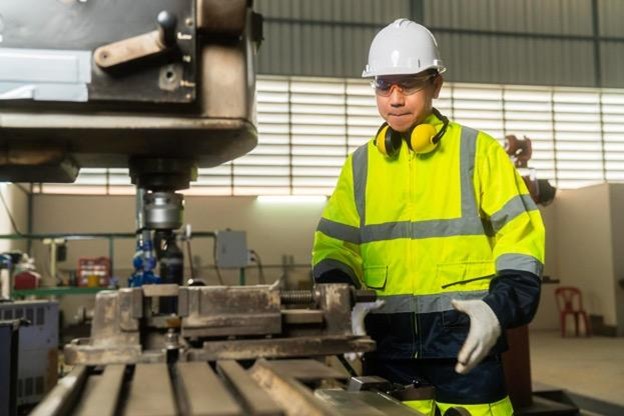
A factory worker using a drill machine and wearing PPE
Strategic use of labor for high-demand cycles ensures organizations maintain
productivity and efficiency during periods of increased operational workload.

Pacesetter Personnel Services (PPS) helps businesses in Houston, Dallas, and Austin access reliable labor for high-demand cycles to meet peak workloads efficiently. We provide solutions for skilled labor and general laborers, along with comprehensive industrial staffing and payroll services, enabling organizations to scale teams quickly, maintain productivity, and control labor costs without long-term payroll commitments. The PPS employees sent to you are screened, onboarded, and ready to work, with all employment paperwork like workers’ compensation insurance, federal and state payroll taxes, withholding payroll taxes, and W-2s processed, and W-4s and I-9s maintained. Plus, our workforce is e-verified.

Reach out to us to see how our labor solutions can get you through your high-demand cycle.