Which Companies Are Hiring for General Labor Positions Right Now?

Which Companies Are Hiring for General Labor Positions Right Now?

Businesses across multiple industries continue to increase their hiring efforts for general labor jobs as workforce demand grows in 2026. Construction companies, warehouses, manufacturing facilities, logistics providers, and distribution centers often rely on general labor workers to support daily operations and maintain productivity.

As operational demands continue shifting, many companies are expanding workforce recruitment to reduce labor shortages and improve operational efficiency. General labor staffing solutions may help businesses respond more effectively to changing workforce needs while maintaining continuity across jobsites and facilities.

Construction Companies Increasing Workforce Hiring

Construction projects often require dependable labor support to maintain timelines and daily productivity. As infrastructure projects, commercial development, and residential construction continue growing, many companies are increasing their hiring efforts for general labor positions.

General labor workers may assist with site preparation, materials handling, cleanup, and other essential tasks that support project operations. Staffing solutions may help construction businesses secure workers more efficiently during periods of increased demand.

Warehouse and Distribution Workforce Growth

Two smiling logistics workers wearing blue hard hats and yellow safety vests high-fiving in a tall warehouse storage aisle.
The ongoing expansion of retail distribution centers drives a continuous need for reliable operational staff. Cultivating a motivated and well-supported on-site team can improve daily order fulfillment speeds and strengthen overall supply chain efficiency.

Warehouses and distribution centers continue experiencing strong workforce demand due to shipping activity, inventory management, and supply chain operations. Many companies are hiring general labor workers to support loading, unloading, packaging, sorting, and warehouse organization.

As order volumes fluctuate throughout the year, staffing flexibility may help warehouse operations maintain efficiency while responding to changing labor requirements.

Manufacturing Facilities Expanding Labor Support

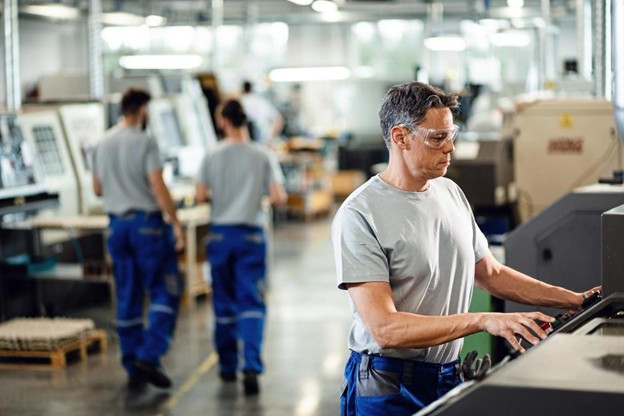
Manufacturing companies often rely on general labor workers to help maintain production flow and operational consistency. Labor support may assist with assembly line operations, packaging, equipment support, and materials movement within facilities.

As production demands increase, businesses may require additional workforce support to avoid operational slowdowns and maintain productivity goals. Staffing solutions may help manufacturers adjust labor levels more efficiently during high-demand periods.

Logistics and Industrial Operations

Logistics providers and industrial businesses continue increasing hiring efforts to support transportation, inventory handling, and operational coordination. Reliable workforce availability remains important for maintaining schedules and reducing delays across industrial operations.

General labor staffing solutions may help companies fill workforce gaps quickly while supporting operational continuity in fast-paced environments.

Supporting Workforce Demand Through Flexible Staffing

As industries continue growing and adapting to workforce challenges, businesses often require labor solutions that provide both speed and flexibility. Hiring dependable workers quickly may help organizations maintain productivity and reduce operational disruptions.

General labor staffing supports scalability by providing flexible labor solutions that align with business needs. This approach helps organizations maintain efficiency while adapting to changing conditions.

Pacesetter Personnel Services (PPS) supports businesses in Houston, Dallas, and Austin through comprehensive staffing and payroll services. The PPS employees we send to you are screened, onboarded, and ready to work, with all employment paperwork, including workers’ compensation insurance, federal and state payroll taxes, W-2s, W-4s, and I-9s, maintained. Plus, our workforce is e-verified. These services are provided with no up-front expense to your company. Learn more about PPS.

Reach out to learn how general labor staffing can help your organization manage fluctuating workloads, maintain productivity, and support stable industrial operations.

General Labor Workforce Challenges Companies Face in 2026

Businesses across construction, warehousing, manufacturing, logistics, and industrial operations continue facing workforce challenges in 2026 as labor demands evolve. Hiring and maintaining dependable general labor workers has become increasingly difficult due to labor shortages, workforce turnover, scheduling pressures, and growing productivity expectations.

As operational demands continue increasing, businesses often require workforce strategies that help maintain efficiency while responding to changing labor conditions. General labor staffing solutions may help organizations address these challenges while supporting operational continuity.

Ongoing Labor Shortages Across Industries

Many industries continue experiencing labor shortages that may impact workforce availability and productivity. Construction companies, warehouses, and manufacturing facilities often compete for the same labor pool, making hiring more competitive.

Limited workforce availability may create delays in staffing open positions, increasing pressure on existing teams and operational schedules. Businesses may require more flexible staffing strategies to respond effectively to these workforce gaps.

Employee Turnover and Workforce Stability

Two male warehouse supervisors wearing white hard hats discussing logistics while one gestures toward inventory shelving.
Unanticipated staffing gaps frequently disrupt warehouse workflows and strain remaining team members. Partnering with a responsive recruitment agency can help facilities maintain a consistent baseline of qualified personnel, protecting daily productivity levels from the impact of sudden attrition.

Employee turnover remains another major challenge for businesses that rely on general labor workers. Frequent workforce changes may disrupt workflow consistency, increase onboarding demands, and reduce operational efficiency.

High turnover may also create additional recruitment and training responsibilities for supervisors and human resources teams. Maintaining workforce stability often requires businesses to improve hiring speed and workforce flexibility while supporting employee retention efforts.

Scheduling and Workforce Coordination Challenges

Managing workforce schedules may become more difficult when labor availability changes unexpectedly. Absences, seasonal demand increases, and fluctuating workloads may create staffing gaps that impact daily operations.

Businesses often require workforce coordination strategies that allow them to respond quickly to scheduling challenges while maintaining productivity across jobsites and facilities. Flexible staffing solutions may help organizations adjust labor levels more efficiently as operational demands shift.

Meeting Productivity and Operational Demands

Operational efficiency often depends on maintaining adequate workforce support throughout daily operations. Understaffed teams may impact production timelines, shipping schedules, customer expectations, and project completion goals.

As businesses continue adapting to higher productivity demands, reliable workforce availability remains important for maintaining operational performance. General labor staffing support may help organizations reduce downtime and maintain workflow consistency.

Adapting to Workforce Challenges in 2026

As labor markets continue evolving, businesses may need workforce strategies that support flexibility, scalability, and operational stability. Addressing workforce shortages and productivity demands requires access to dependable labor solutions that align with changing business needs.

General labor staffing supports scalability by providing flexible labor solutions that align with business needs. This approach helps organizations maintain efficiency while adapting to changing conditions.

Pacesetter Personnel Services (PPS) supports businesses in Houston, Dallas, and Austin through comprehensive staffing and payroll services. The PPS employees we send to you are screened, onboarded, and ready to work, with all employment paperwork, including workers’ compensation insurance, federal and state payroll taxes, W-2s, W-4s, and I-9s, maintained. Plus, our workforce is e-verified. These services are provided with no up-front expense to your company. Learn more about PPS.

Reach out to learn how general labor staffing can help your organization manage fluctuating workloads, maintain productivity, and support stable industrial operations.


Why Businesses Search for Local General Labor Staffing to Maintain Operations

Businesses across the construction, warehousing, manufacturing, and logistics industries often search for local general labor workers to maintain daily operations and respond quickly to workforce demands. Access to local labor support may help companies reduce downtime, improve staffing response times, and maintain productivity during changing operational conditions.

As workforce shortages and scheduling challenges continue affecting many industries, businesses are increasingly prioritizing local hiring strategies that allow them to secure workers efficiently while supporting operational continuity.

Reducing Downtime Through Local Workforce Support

Delays in staffing may impact productivity, project timelines, and operational performance. Businesses often require workers on short notice to support daily operations, fill labor gaps, or respond to increased demand.

Searching for local general labor workers may help businesses reduce downtime by improving access to available workforce support within their surrounding area. Faster staffing response times may allow operations to continue with fewer disruptions.

Improving Response Times for Workforce Needs

A diverse group of factory staff and corporate managers standing around a whiteboard in an industrial plant to plan shift schedules.
Quick coordination is essential when handling unexpected absences, production surges, or tight project completion windows. Utilizing responsive hiring networks can help businesses secure reliable team reinforcements rapidly to keep critical manufacturing lines moving smoothly.

Operational demands may change quickly due to project growth, seasonal activity, or unexpected absences. Businesses that rely on local labor support may improve workforce coordination and staffing flexibility when immediate hiring needs arise.

Local staffing solutions may help businesses secure workers more efficiently while reducing delays associated with broader recruitment efforts. This approach may support faster onboarding and improved workforce availability.

Supporting Operational Continuity

Maintaining consistent workforce availability remains important for supporting productivity across industrial and construction environments. Understaffed teams may create operational slowdowns, scheduling issues, and increased pressure on existing employees.

General labor staffing solutions may help businesses maintain continuity by providing access to workers who are prepared to support operational tasks across multiple industries. Reliable workforce support may improve workflow consistency and daily operational performance.

Addressing Workforce Challenges in Competitive Markets

Many industries continue facing labor shortages and workforce competition, making it more difficult to secure dependable workers quickly. Businesses may benefit from staffing strategies that prioritize flexibility and faster workforce placement.

Searching for local general labor support may help organizations respond more effectively to workforce challenges while maintaining operational efficiency during periods of increased demand.

Flexible Workforce Solutions for Changing Business Needs

As operational demands continue evolving, businesses often require workforce strategies that support both flexibility and productivity. Local staffing support may help companies adapt workforce levels based on changing labor requirements without increasing long-term hiring commitments.

General labor staffing supports scalability by providing flexible labor solutions that align with business needs. This approach helps organizations maintain efficiency while adapting to changing conditions.

Pacesetter Personnel Services (PPS) supports businesses in Houston, Dallas, and Austin through comprehensive staffing and payroll services. The PPS employees we send to you are screened, onboarded, and ready to work, with all employment paperwork, including workers’ compensation insurance, federal and state payroll taxes, W-2s, W-4s, and I-9s, maintained. Plus, our workforce is e-verified. These services are provided with no up-front expense to your company. Learn more about PPS.

Reach out to learn how general labor staffing can help your organization manage fluctuating workloads, maintain productivity, and support stable industrial operations.



How Temporary Workers Help Businesses Stay Flexible During Labor Shortages

Businesses across the construction, warehousing, manufacturing, logistics, and industrial industries continue facing workforce shortages that may impact productivity and operational efficiency. As labor availability fluctuates, many companies are using temporary workers and flexible staffing solutions to help maintain daily operations and respond more effectively to workforce challenges.

Temporary staffing may provide businesses with workforce flexibility that supports changing operational demands without requiring long-term hiring commitments. This approach may help organizations maintain productivity while adapting to labor shortages and shifting business conditions.

Responding Quickly to Workforce Shortages

Labor shortages may create operational disruptions, scheduling delays, and increased pressure on existing employees. Businesses often need workforce support quickly to avoid downtime and maintain workflow consistency.

Temporary workers may help companies respond more efficiently to staffing gaps by providing access to workers who are available to support immediate operational needs. Faster workforce placement may allow businesses to continue operations with fewer disruptions during periods of labor shortages.

Maintaining Productivity During Demand Fluctuations

A female technician wearing an orange jumpsuit, safety glasses, and a white hard hat holding a laptop while monitoring industrial machinery.
Aligning your staffing volume with true operational activity is critical to preserving facility output. Utilizing modern, scalable workforce models helps plant managers optimize daily assembly targets and handle unexpected consumer request surges without accumulating unnecessary structural overhead.

Operational demands may increase unexpectedly due to seasonal activity, project growth, or higher production requirements. Businesses often require workforce flexibility to adjust staffing levels based on current operational conditions.

Temporary staffing solutions may help companies scale labor support up or down as needed while maintaining productivity across jobsites, warehouses, and manufacturing facilities. This flexibility may support operational continuity during changing workforce demands.

Controlling Labor Costs and Hiring Commitments

Permanent hiring may increase long-term payroll and administrative responsibilities for businesses navigating uncertain workforce conditions. Temporary workers may provide a more flexible staffing approach that aligns workforce size with operational demand.

By adjusting labor levels based on current needs, businesses may better manage labor-related expenses while maintaining workforce support where it is needed most.

Reducing Administrative Workload

Recruiting, onboarding, scheduling, and maintaining employment documentation internally may require additional administrative time and resources. Businesses managing labor shortages often need staffing support that reduces these operational burdens.

Temporary staffing solutions may help streamline workforce coordination by supporting hiring and placement processes more efficiently. This may allow supervisors and operations teams to focus more on productivity and daily business functions.

Supporting Workforce Flexibility in 2026

As labor markets continue evolving, businesses often require workforce strategies that provide both flexibility and operational stability. Temporary workers may help organizations respond more effectively to workforce shortages while maintaining efficiency across multiple industries.

General labor staffing supports scalability by providing flexible labor solutions that align with business needs. This approach helps organizations maintain efficiency while adapting to changing conditions.

Pacesetter Personnel Services (PPS) supports businesses in Houston, Dallas, and Austin through comprehensive staffing and payroll services. The PPS employees we send to you are screened, onboarded, and ready to work, with all employment paperwork, including workers’ compensation insurance, federal and state payroll taxes, W-2s, W-4s, and I-9s, maintained. Plus, our workforce is e-verified. These services are provided with no up-front expense to your company. Learn more about PPS.


General Labor Staffing for Industrial Businesses

General labor staffing plays a critical role in supporting industrial businesses that rely on a flexible and dependable workforce. In environments where workloads can change quickly, having access to reliable labor is essential for maintaining productivity and operational stability.

By leveraging general labor staffing, organizations can fill essential roles across production, warehousing, and distribution without overextending internal resources. This approach allows businesses to respond to changing demands while maintaining consistent operations.

Managing Fluctuating Workloads

Industrial businesses often experience variations in workload due to seasonal demand, project-based work, or changes in production levels. These fluctuations can make it difficult to maintain the right staffing levels at all times.

General labor staffing allows businesses to adjust workforce size based on current needs. This flexibility helps organizations maintain productivity during peak periods while avoiding unnecessary labor costs during slower times.

Supporting Daily Operations

A general labor worker pushes two boxes on a dolly in an industrial warehouse.
Supporting daily operations with a motivated general labor workforce ensures that project timelines are met and workplace productivity remains high across all sectors.

General labor roles are essential to the day-to-day functioning of industrial environments. Tasks such as material handling, packaging, cleaning, and basic production support contribute to overall operational efficiency.

Access to dependable general labor staffing ensures that these tasks are completed consistently. This allows skilled workers and supervisors to focus on more specialized responsibilities, improving overall workflow.

Reducing Hiring and Administrative Burden

Recruiting and managing workers can require significant time and resources. From job postings and interviews to onboarding and payroll processing, these responsibilities can place strain on internal teams.

General labor staffing helps reduce this burden by streamlining the hiring process and supporting workforce management. Businesses can rely on staffing partners to coordinate placements and handle essential administrative functions.

Maintaining Workforce Stability

Workforce stability is critical for maintaining consistent operations. High turnover or unfilled positions can disrupt workflows and reduce productivity.

By utilizing general labor staffing, businesses gain access to a steady pipeline of workers who can fill roles as needed. This consistency helps maintain operational continuity and reduces downtime.

Supporting Scalable Industrial Operations

As industrial operations grow or adjust to market demands, staffing needs must evolve as well. A scalable workforce allows businesses to respond effectively to new opportunities and operational challenges.

General labor staffing supports scalability by providing flexible labor solutions that align with business needs. This approach helps organizations maintain efficiency while adapting to changing conditions.

Pacesetter Personnel Services (PPS) supports businesses in Houston, Dallas, and Austin through comprehensive staffing and payroll services. The PPS employees we send to you are screened, onboarded, and ready to work, with all employment paperwork like workers’ compensation insurance, state and federal tax withholding, and W-2s processed and W-4s and I-9s maintained. Plus our workforce is e-verified. These services are provided with no up-front expense to the company. Learn more about PPS.

Reach out to learn how general labor staffing can help your organization manage fluctuating workloads, maintain productivity, and support stable industrial operations.


Assembly Line Workers: Staffing Solutions

Assembly line workers are essential to maintaining consistent production output in manufacturing environments. Their role supports structured workflows that allow businesses to meet deadlines, maintain quality standards, and manage high production volumes.

As manufacturing demands fluctuate, companies must ensure they have access to reliable assembly line workers who can contribute to efficient operations. Staffing solutions provide the flexibility needed to meet these changing production requirements.

Supporting Efficient Production Workflows

Production lines rely on clearly defined processes where each task contributes to the final product. Assembly line workers perform specific roles within these workflows, ensuring that operations move efficiently from one stage to the next.

When labor staffing levels are consistent, production lines operate with fewer interruptions. This allows businesses to maintain output levels and meet delivery schedules without delays.

Meeting Manufacturing Deadlines

A manufacturing team working with precision machinery in a factory to ensure production deadlines are met.
Reliable staffing allows manufacturing facilities to scale their workforce quickly, ensuring they have the skilled labor necessary to meet tight production deadlines and maintain operational flow.

Manufacturers often operate under strict timelines, especially when fulfilling large orders or managing ongoing production cycles. Missing deadlines can impact client relationships and overall business performance.

Access to dependable assembly line workers ensures that production targets are met. With adequate staffing, businesses can maintain steady output and avoid delays that disrupt operations.

Addressing Labor Shortages

Labor shortages can create significant challenges in manufacturing environments. When positions are unfilled, production lines may slow down or stop entirely, leading to lost productivity.

Staffing solutions help businesses quickly access qualified assembly line workers to fill these gaps. This reduces downtime and ensures that operations continue without disruption.

Supporting Flexible Workforce Needs

Manufacturing demands are rarely constant. Seasonal fluctuations, increased order volumes, or new contracts may require additional labor support.

By leveraging staffing solutions, businesses can scale their workforce to meet demand. Access to trained assembly line workers allows organizations to adjust staffing levels without committing to long-term hires.

Improving Overall Operational Efficiency

Efficiency in manufacturing depends on having the right workforce in place. When assembly line workers are available and properly assigned, production processes run smoothly and consistently.

Reliable staffing support helps reduce bottlenecks, improve workflow coordination, and maintain quality standards. This contributes to better overall performance and long-term operational success.

Pacesetter Personnel Services (PPS) supports businesses in Houston, Dallas, and Austin through comprehensive staffing and payroll services. The PPS employees we send to you are screened, onboarded, and ready to work, with all employment paperwork like workers’ compensation insurance, state and federal tax withholding, and W-2s processed and W-4s and I-9s maintained. Plus our workforce is e-verified. These services are provided with no up-front expense to your company. Learn more about PPS.

Reach out to learn how staffing solutions for assembly line workers can help your organization maintain efficient production workflows and meet manufacturing deadlines.


Forklift Operators Are in High Demand

Forklift operators have become an essential part of warehouse and distribution operations. As businesses continue to manage increasing order volumes and tighter delivery timelines, the demand for skilled labor in key roles continues to grow.

The need for experienced forklift operators is driven by the complexity of modern warehouse environments, where efficiency, safety, and accuracy are critical to daily operations.

Why Forklift Operators Are in High Demand

Warehouses rely on forklift operators to move, load, and organize materials efficiently. As inventory levels increase and order fulfillment speeds accelerate, businesses need trained workers who can manage these tasks safely and effectively.

The rise of e-commerce and distribution demands has further increased the need for qualified forklift operators. Companies must ensure that materials are handled correctly to prevent damage and maintain workflow continuity.

Supporting Productivity in Warehouse Operations

A warehouse supervisor in a yellow safety vest and hard hat holding a clipboard with a forklift in the background

Productivity in warehouse environments depends on the efficient movement of goods. Delays in material handling can disrupt operations and slow down the entire supply chain.

Experienced forklift operators help maintain workflow by ensuring that materials are transported quickly and accurately. Their role supports order fulfillment, inventory management, and overall operational efficiency.

Maintaining Safety Standards

Safety is a critical factor in warehouse operations. Improper handling of equipment can lead to accidents, injuries, and operational disruptions.

Trained forklift operators understand safety protocols and equipment handling procedures. Their experience helps reduce workplace risks and supports a safer working environment for all employees.

Addressing Workforce Gaps Through Staffing Solutions

Finding qualified forklift operators can be challenging, especially during peak demand periods. Workforce shortages may lead to delays, increased overtime, and reduced productivity.

Staffing solutions help businesses access skilled forklift operators when needed. This approach allows organizations to fill critical roles quickly and maintain consistent operations without overburdening internal teams.

Supporting Scalable Warehouse Operations

As warehouse demands fluctuate, businesses must be able to adjust their workforce accordingly. Seasonal peaks, large shipments, and operational growth require flexible staffing strategies.

Access to experienced forklift operators supports scalability by allowing businesses to increase or reduce labor as needed. This flexibility helps maintain efficiency while controlling labor costs.

Pacesetter Personnel Services (PPS) supports businesses in Houston, Dallas, and Austin through comprehensive staffing and payroll services. The PPS employees we send to you are screened, onboarded, and ready to work, with all employment paperwork like workers’ compensation insurance, state and federal tax withholding, and W-2s processed and W-4s and I-9s maintained. Plus our workforce is e-verified. These services are provided with no up-front expense to your company. Learn more about PPS.

Reach out to learn how access to skilled forklift operators can help your organization maintain productivity, improve safety, and support efficient warehouse operations.


Light Industrial Staffing Explained

Light industrial staffing plays a key role in supporting manufacturing, distribution, and logistics operations. Businesses in these industries often require a dependable workforce to manage production demands while maintaining flexibility in response to changing workloads.

By leveraging light industrial staffing, organizations can access qualified workers for essential roles without overextending internal resources. This approach helps maintain operational efficiency while adapting to fluctuations in demand.

Supporting Manufacturing and Distribution Operations

Manufacturing and distribution environments rely on consistent labor to maintain productivity. Roles such as assembly, packaging, sorting, and material handling require workers who can contribute immediately to daily operations.

Light industrial staffing ensures these roles are filled with prescreened, job-ready candidates. This allows businesses to maintain workflow continuity while meeting production targets and delivery schedules.

Maintaining Workforce Flexibility

Two warehouse managers in safety vests and blue hard hats reviewing inventory data on a tablet and clipboard in a large distribution center.

Operational demands in industrial environments can change quickly. Seasonal peaks, supply chain fluctuations, and new contracts may require businesses to adjust staffing levels on short notice.

With light industrial staffing, companies can scale their workforce up or down based on real-time needs. This flexibility helps organizations respond to demand without committing to long-term hires that may not be necessary.

Reducing Administrative Burden

Recruiting, onboarding, and managing workers can place significant pressure on internal teams. Administrative responsibilities such as payroll processing, documentation, and compliance tracking require time and resources.

Partnering with a staffing provider simplifies these processes. Light industrial staffing solutions help manage employment documentation and workforce coordination, allowing businesses to focus on core operations.

Supporting Compliance and Workforce Management

Compliance is an important consideration in industrial environments. Employers must ensure proper documentation, tax processing, and workforce eligibility requirements are met.

Light industrial staffing supports compliance by maintaining accurate records and ensuring workers are properly onboarded. This structured approach reduces risk and helps businesses operate with confidence.

Improving Operational Efficiency

A reliable workforce directly impacts productivity. When positions are filled quickly with qualified workers, operations can continue without disruption.

Light industrial staffing improves efficiency by providing consistent labor support, reducing downtime, and ensuring that production processes remain on schedule.

Pacesetter Personnel Services (PPS) supports businesses in Houston, Dallas, and Austin through comprehensive staffing and payroll services. The PPS employees we send to you are screened, onboarded, and ready to work, with all employment paperwork like workers’ compensation insurance, state and federal tax withholding, and W-2s processed and W-4s and I-9s maintained. Plus our workforce is e-verified. These services are provided with no up-front expense to your company. Learn more about PPS.

Reach out to learn how light industrial staffing can help your organization maintain flexibility, improve productivity, and support compliant workforce operations.


The Most In-Demand Industrial Staffing and

Labor demand in industrial and warehouse environments continues to evolve as businesses respond to increased production needs, e-commerce growth, and supply chain shifts.
Pacesetter Personnel Services (PPS) helps companies stay prepared by providing access to the most in-demand roles that keep operations running efficiently and on schedule.

"Infographic by Pacesetter Personnel Services (PPS) detailing the most in-demand industrial and warehouse labor roles

In-House Payroll vs. Outsourced Payroll

Managing payroll internally can become increasingly complex as businesses grow and regulations evolve. Pacesetter Personnel Services (PPS) supports organizations by providing outsourced payroll services that reduce administrative burden and improve accuracy across payroll operations.

An infographic comparing in-house vs outsourced payroll, highlighting payroll administration structure, compliance responsibility, risk management, and operational scalability.